Skip to content
People Technology & AI

Technology should make work easier — not more complicated.

We help small and medium-sized organizations identify where technology and AI can improve their people practices, reduce administrative burden, improve consistency and make better use of the tools they already have.

People + Work + Technology

Where technology belongs in your people practices — and where it doesn't.

AI is moving quickly. Small organizations don't need to adopt everything. They need to know what is useful, what is appropriate and what actually creates value.

Our role is strategic and organizational. We are not an IT company, software developer, cybersecurity firm or technical AI engineering firm. We don't build AI models, write code or handle technical implementation. We help you decide what to use, how it fits your HR processes, how people should use it responsibly and where human judgment should stay central.

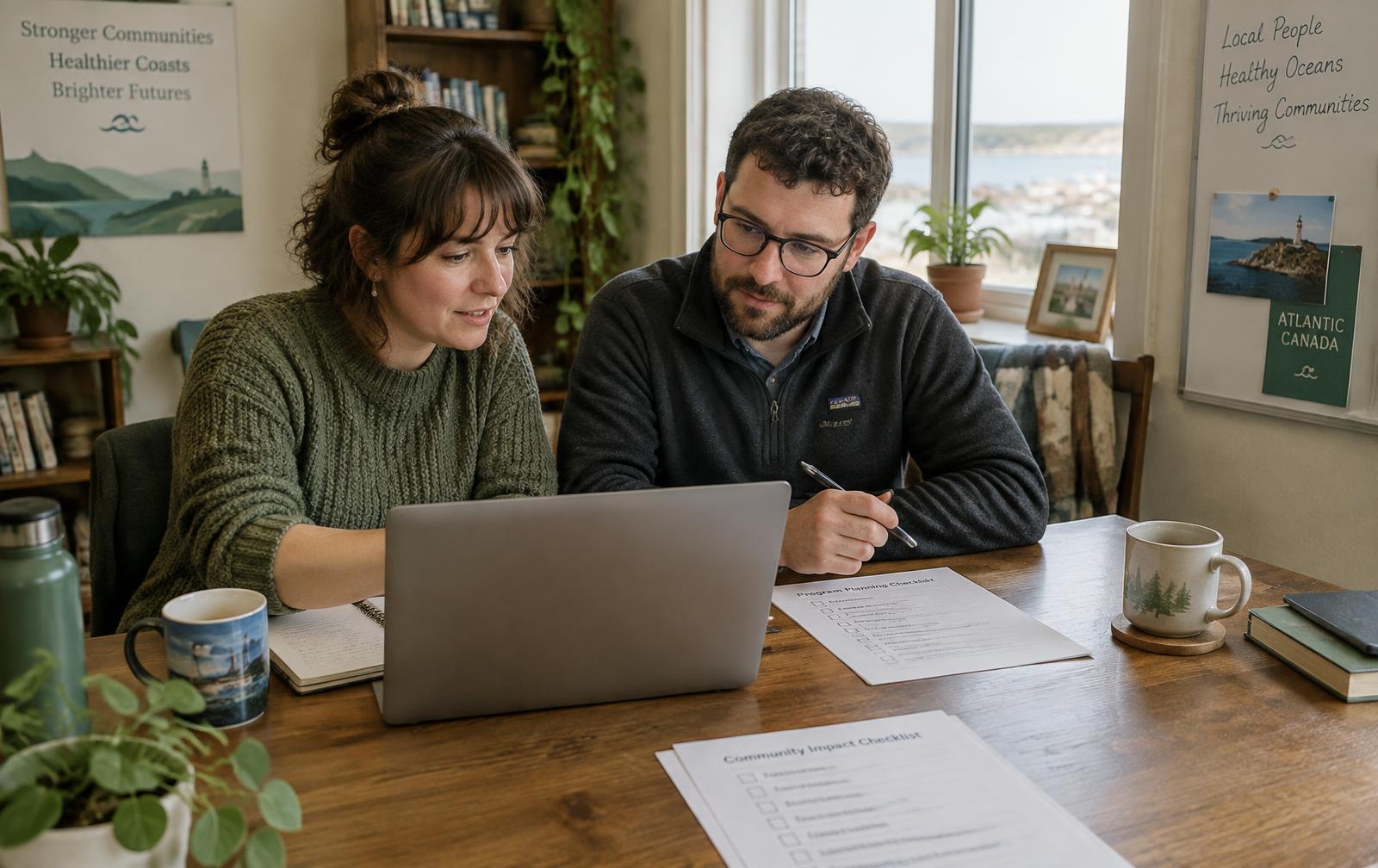
Two colleagues at a table in a small office reviewing a laptop and printed checklists together
Sound familiar?

What we hear from small organizations.

  • “We know AI is becoming important, but we don't know where to start.”
  • “Our HR processes are too manual.”
  • “We're paying for technology we barely use.”
  • “Our managers and employees are already using AI, but we don't have any rules around it.”
  • “We don't know which HR technologies are actually worth paying for.”
  • “There must be an easier way to do some of this administrative work.”
  • “We want to use AI without creating privacy, confidentiality, bias or employee-relations problems.”

We help organizations answer those questions in plain language, starting from how work actually gets done today.

HR Technology & AI Opportunity Assessment

A review of your current HR processes to find where technology, automation or AI could realistically improve efficiency, consistency or the employee experience.

The goal is not technology for its own sake. We identify where a tool creates genuine value — and where the process simply needs to be improved.

Areas we can review

  • Recruitment and hiring
  • Onboarding
  • Employee communications
  • Performance management
  • Training and development
  • Policies and procedures
  • HR documentation and employee records
  • Surveys and employee feedback
  • Scheduling and workflow
  • Routine HR administration
  • HR reporting and analytics

HR Technology & AI Roadmap

A practical plan showing what to do first, what can wait and what to leave alone.

Written for leadership and boards, with priorities that fit the capacity of a small organization.

The roadmap covers

  • Current HR technology and processes
  • Administrative pain points and technology gaps
  • Opportunities for automation
  • Appropriate AI use cases
  • Areas where AI should not be used
  • Recommended priorities and solution categories
  • Implementation considerations
  • 30/60/90-day action plan
  • Longer-term opportunities

Responsible AI in the Workplace

Sensible rules for how employees and managers use generative AI, so the organization gets the benefits while protecting people, information and sound decisions.

Your staff are likely already using these tools. Clear expectations make that use safer and more useful, not more restricted for the sake of it.

This can include

  • AI acceptable-use guidelines or policy
  • Privacy and confidentiality considerations
  • Human oversight expectations
  • Appropriate and inappropriate HR use cases
  • Handling employee and applicant information
  • Responsible AI use in recruitment and HR decisions
  • Manager guidance and employee education

AI for Managers Training

Practical training that shows managers how AI can support their work without replacing their judgment.

Built around real tasks: preparing for meetings, drafting communications, structuring projects, building checklists and training material, organizing information and producing first drafts. Training also covers confidentiality, privacy, accuracy and made-up answers, bias, human review, and situations where AI should not make or substantially influence an employment decision.

Managers leave able to

  • Use AI for routine drafting and organizing
  • Improve written communication
  • Check output for accuracy and bias
  • Protect employee information
  • Recognize where judgment must stay human

Technology Selection & Process Improvement

Help deciding whether you actually need new technology at all.

We are technology-neutral. We do not sell software or earn commissions, so our recommendation is based only on what creates value for your organization.

Our advice may be to

  • Use existing technology more effectively
  • Improve the underlying process first
  • Automate a repetitive process
  • Introduce a simple technology solution
  • Replace an inefficient system
  • Avoid purchasing unnecessary software
  • Avoid using AI for a particular HR activity
How we're different

Not an IT consultant. A people-and-work adviser who understands technology.

This work combines technology-management education with employment relations and practical HR experience.

Traditional IT expertise asks

  • “How do we configure or implement this technology?”

We help you answer

  • “Should we use it?”
  • “What organizational problem are we trying to solve?”
  • “How will employees and managers actually use it?”
  • “How does it affect our HR processes?”
  • “What risks or unintended consequences should we consider?”
  • “Where should human judgment remain?”
  • “How do we successfully introduce it into the workplace?”

Let's find where technology can make work better.

Not sure where AI or technology fits into your workplace? Let's start with your current processes.

A short discovery call. No pitch. No obligation.

Meet the team